

More than 90 percent of the non-scholastic races held in the United States are road races. If you know someone who has run a race, it’s almost guaranteed that he or she ran in a road race. There are road races of pretty much every distance you can imagine from the mile to the marathon. The most popular distances are 5K (3.1 miles), 8K (about 50 yards short of 5 miles), and 10K (6.2 miles).
The size of the fields in road races runs the gamut, too: You can find small rural affairs among 15 people all the way up to the country’s biggest road race in terms of official entrants, The Lilac Bloomsday Run, a 12K (7.4 miles) run by more than 55,000 every May in Spokane, Washington. (Bay to Breakers, a 12K held every May in San Francisco, sometimes has as many as 100,000 people running it, but only about half of them have registered for the race.) A typical road race, in which runners wear race numbers and receive T-shirts, will have anywhere from a few hundred to 1,000 runners in it. Races with more than 1,000 runners are major productions.
I’m obviously biased toward road races, having earned the nickname “King of the Roads” in the ’70s. I like how the course of each road race has its own quirks that you have to master. I also like the (usually) firm footing and long stretches so that I can get in a good rhythm. The party atmosphere that I told you so many races have is almost exclusively at road races.
Another cool aspect of road races is that they are one of the few, if not the only, instances in sports where an average participant competes at the same time on the same course as the best in the world. Want to play baseball with Cal Ripken? Good luck. But line up with the 50,000 runners who run the Peachtree 10K in Atlanta every Fourth of July, and some of the fastest runners around are at the front of the field. Sure, you’re not going to be going head to head with them, but running is different because you’re experiencing the race exactly as the elite runners do. It’s fun to see how your time compares to theirs. You can’t do that in baseball, football, basketball, or almost any other sport.

 Enter masters running. With awards given out in fiveyear brackets, you’re not forced to fight it out with the young bucks if taking home loot is part of the appeal of racing to you. Instead, it’s just you and your contemporaries, who are more likely to have the body and schedule that you do than some just-out-of-college hotshot is. The age-group categories level the playing field.
 No matter how long you’ve been running, once you’re 40 or older, you’ll be called a masters runner. For long-time runners like me, the phrase makes a certain amount of sense—after all those years of putting in the miles, you’ve mastered how to keep at it and with enough interest that you’re still showing up at races. What’s so great about masters running? There must be something to it because I know I’m not alone in finding my running revitalized by the turning of the clock. Competition for the top prizes in the masters category are among the toughest in running. Masters running has become such a big deal that the Indianapolis Life Insurance Company sponsors a circuit of races around the country that’s open only to masters runners.


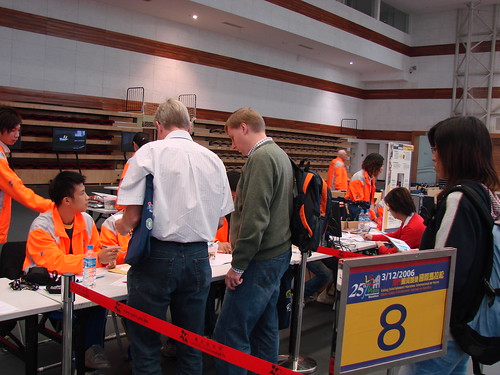 The average road race is held early on a Sunday morning. A standard road race with T-shirts, awards, post-race refreshments, and so on costs $15 to $25 to enter. In other words, most people running in them have gone to bed early on a Saturday night, gotten up at least as early on a Sunday morning as on a regular workday, and then handed over the cost of a nice dinner for the opportunity to inflict pain on themselves. Sounds like they’re the idiots, huh?